
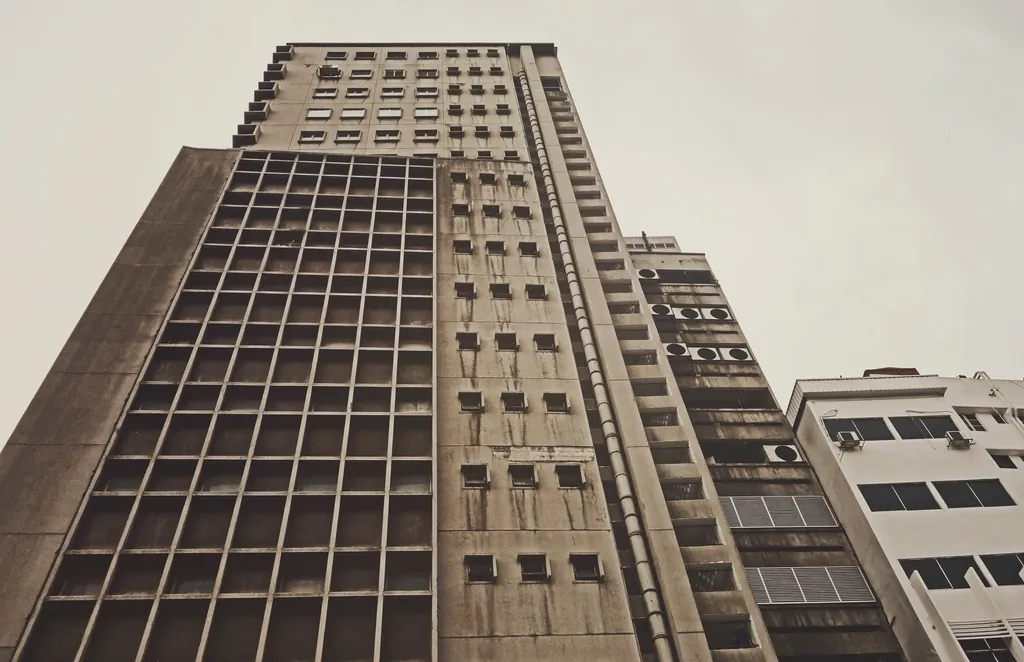
La Zenia, Playa Flamenca, Los Dolses, Villamartín and Dehesa de Campoamor have one thing in common: most properties there sit within an urbanisation managed by a "comunidad de propietarios" — Spain's version of a homeowners' association. If you've bought in one of these developments, installing air conditioning works a little differently than in a fully detached house. Here's what to check first if you own in La Zenia or Orihuela Costa.
Why urbanisations are a different case
In a standalone villa, you generally decide alone where the outdoor unit goes. In an urbanisation with a comunidad de propietarios (whether that's an apartment block, a row of townhouses or a bungalow complex), the façade, roof and common areas belong to all owners collectively, and the community's own rules ("estatutos") often regulate what can be installed on the visible exterior — including AC outdoor units.
That doesn't mean you can't install one; it means it pays to do it properly from the start, so the community doesn't ask you to remove or relocate it later.
What to check before installing
- Your community's own rules ("estatutos"): many Orihuela Costa urbanisations have specific rules about the colour, position or type of grille allowed for outdoor units.
- An already-accepted layout: in communities where several owners have already installed AC, there's often an unofficial "standard" position (a back terrace rather than the street-facing façade, for example) that's worth following to avoid standing out.
- The property manager ("administrador de fincas"): this is the person who knows the history of approvals and refusals in your specific community best — a call before installing can save a lot of hassle.
- Common vs. privately-owned elements: the façade and roof are almost always treated as common elements, even though your flat itself is privately owned — which is why they usually need authorisation even from the owner.
For the wider legal picture, see our dedicated guide to community rules and air conditioning in Spain.
How we handle it at AirconSpain
When we work in La Zenia, Playa Flamenca, Los Dolses or Villamartín, the first thing we ask about during the site visit is the community's rules, and we adapt the proposal to whatever position other owners have already had approved. A few things that usually help get sign-off:
- Positioning the outdoor unit on a rear terrace or patio, out of sight from the street or common areas.
- Using grilles or housing in the same colour as the façade where the rules require it.
- Minimising visible pipework with discreet, wall-coloured trunking.
- Preparing a simple sketch or photo if your community asks for a formal written request before works start.
Indicative price in an urbanisation
The most common setup in apartments across these areas is a single split for the lounge, or a 2-3 unit multi-split for the lounge and bedrooms, with indicative prices of €500-€1,200 for a single split and €2,000-€4,500 for a multi-split. In townhouses and bungalows with two floors, it's common to consider an extra outdoor unit or ducted air conditioning if you're renovating. As always, the final quote is confirmed after a free site visit.
How long does approval take?
It depends on how your community operates. If there's already an accepted layout ("outdoor units go on the rear terrace", for example), the property manager can usually confirm it within days, with no meeting needed. If your case isn't covered by the existing rules and requires an explicit vote, it's common to wait for the next ordinary general meeting — or request an extraordinary one if you're in a hurry, though that usually comes with an extra administrative cost. If you have a specific date in mind, such as the start of summer or a booked holiday, it's worth starting the process several weeks ahead.
What if your community says no?
It's uncommon, but it can happen in very restrictive communities. In that case there are partial alternatives, such as compact outdoor units with less visual impact, quieter models if noise was the objection, or alternative positions within your own plot that don't touch the main façade. If you find yourself in this situation, mention it during the technical visit — we review the options with you before writing the project off, and in many cases a well-prepared alternative proposal gets approved on a second vote.
Buying a second home in Orihuela Costa?
If your property in La Zenia or Cabo Roig is a holiday home you only occupy part of the year, the same permission process applies — and it's worth sorting out well before your next stay. See our guide on air conditioning for second homes in Cabo Roig and Punta Prima for more.